5,207 Reviews • Locally Operated



Trusted by 5,207+ Customers
South Florida Fall AC & Electrical Checklist: Preparing Your Home for Humidity and Storms
24/7 Live Phone Answering · Same-Day Service Available
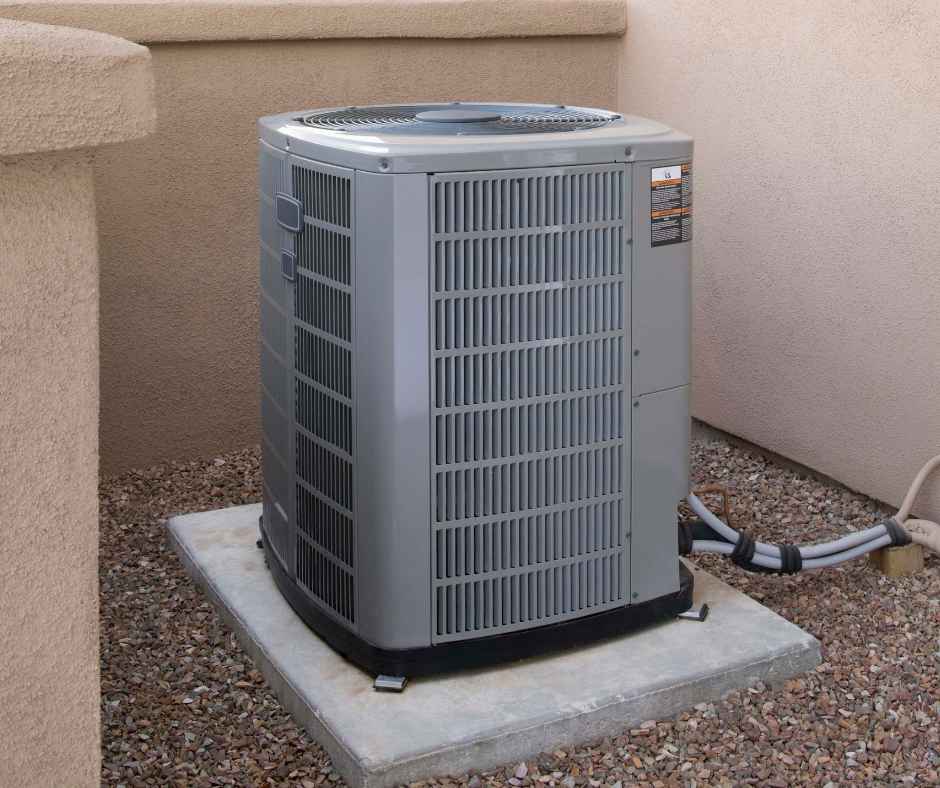
Fall in South Florida looks different from the cooler seasons most of the country experiences. While temperatures may gradually become more comfortable, homeowners still face high humidity, frequent rain, and the possibility of tropical storms. These conditions can put ongoing strain on air conditioning systems and raise concerns about household electrical equipment.
Preparing your home for seasonal weather changes can help prevent unexpected breakdowns, improve indoor comfort, and protect important systems from potential storm-related damage. Even when summer ends, preventative maintenance remains essential for South Florida homeowners.
In this guide, we’ll cover a practical fall AC and electrical maintenance checklist, including cooling system inspections, humidity control, electrical safety, surge protection, and steps to prepare your home for severe weather.
Why South Florida Homes Need Fall AC and Electrical Maintenance
South Florida’s warm, humid climate means air conditioning systems often run year-round. Unlike homeowners in colder regions, residents rarely experience an extended period when cooling equipment can remain unused.
Continuous operation can wear down key HVAC components, especially when systems must manage both indoor temperatures and moisture levels. Dirty coils, clogged filters, and blocked condensate drains can reduce cooling performance and increase humidity.
Fall also overlaps with the latter portion of Atlantic hurricane season, which officially continues through November 30. Tropical storms, lightning, heavy rainfall, and power interruptions can increase risks to electrical systems and outdoor HVAC equipment.
Preparing your home during this period offers several benefits:
- Improved AC reliability: Routine maintenance helps identify developing equipment problems.
- Better humidity control: Proper system operation supports more comfortable indoor moisture levels.
- Greater electrical safety: Inspections can identify damaged or deteriorating electrical components.
- Improved storm readiness: Preventative measures can reduce certain severe-weather risks.
Addressing these areas before problems develop can help South Florida homeowners maintain a safer, more comfortable living environment.
Schedule Professional AC Maintenance Before the Season Changes
One of the most important steps in a South Florida fall AC maintenance checklist is scheduling a professional inspection of your cooling system. Because air conditioners operate for much of the year in South Florida, regular maintenance helps identify worn components and performance issues that might otherwise go unnoticed until the system stops cooling effectively.
During a professional AC maintenance appointment, an HVAC technician may inspect several important components, including:
- Evaporator and condenser coils: Dirty coils can restrict heat transfer and reduce cooling efficiency.
- Condensate drain lines: Blockages may cause water leaks, drainage problems, and unwanted moisture buildup.
- Electrical connections: Loose or deteriorating connections can affect system operation and safety.
- Refrigerant performance: Technicians can evaluate operating conditions for signs of refrigerant-related problems.
- Blower components: Proper airflow helps distribute conditioned air throughout the home.
Homeowners should also check air filters regularly and replace them per the manufacturer’s recommendations. Professional maintenance lets you address developing concerns before they lead to costly repairs or extended periods without cooling.
Control Indoor Humidity and Prevent Moisture Problems
Humidity management is a major concern for South Florida homeowners, especially during periods of frequent rainfall and high outdoor moisture.
Excess indoor humidity can make rooms feel warmer than the thermostat indicates. It may also contribute to condensation, musty odors, and conditions that encourage mold growth.
Air conditioning systems naturally remove some moisture while cooling indoor air. However, improperly sized, poorly maintained, or underperforming equipment may struggle to manage humidity effectively.
To improve indoor humidity control, homeowners should:
- Maintain indoor relative humidity below 60%, ideally between 30% and 50% when practical.
- Keep windows and exterior doors closed when outdoor humidity is high.
- Use bathroom and kitchen exhaust fans to remove moisture at its source.
- Replace dirty HVAC filters to support proper airflow.
- Investigate persistent condensation or musty odors.
Avoid running the thermostat fan continuously solely for humidity control, as it can sometimes return moisture from the cooling coil to indoor air.
If your home consistently feels damp despite normal cooling operation, a professional HVAC evaluation can help determine whether maintenance, system adjustments, or supplemental dehumidification would be beneficial.
Inspect Your Home’s Electrical System for Storm Readiness
South Florida’s frequent thunderstorms and severe weather make electrical safety an important part of seasonal home maintenance.
Lightning, heavy rainfall, moisture intrusion, and power fluctuations can affect household wiring, electrical panels, outlets, and connected equipment. Existing electrical problems may become more noticeable during periods of increased storm activity.
A professional electrical safety inspection can help identify potential concerns before they create more serious hazards.
During an inspection, a qualified electrician may evaluate:
- The condition of the electrical panel and visible signs of overheating.
- Circuit breakers and electrical connections.
- Grounding and bonding components.
- Outdoor outlets and weather-resistant electrical covers.
- Visible wiring damage or deterioration.
- Ground-fault circuit interrupter protection where required.
Homeowners can also perform basic visual checks around their property. Look for damaged outdoor outlet covers, exposed wiring, or electrical equipment showing signs of water intrusion.
Never open electrical panels or attempt to repair damaged wiring without proper training. If electrical equipment has been exposed to floodwater, don’t use it until a qualified professional determines it is safe.
Taking these precautions can help reduce electrical hazards during South Florida’s unpredictable fall weather.
Protect Your AC and Electronics With Surge Protection
Power surges are another concern during South Florida’s storm season. Lightning strikes, utility switching, and power restoration events can produce voltage spikes that may damage sensitive electrical components.
Air conditioning systems, appliances, computers, and other household electronics can be vulnerable to electrical surges.
Whole-home surge protection adds an extra layer of defense by limiting transient voltage spikes entering or traveling through a home’s electrical system.
Unlike standard power strips, whole-home surge protective devices are typically installed at or near the main electrical panel by a qualified electrician.
However, no surge protection system can guarantee protection against every electrical event, particularly a direct lightning strike.
For more comprehensive protection, homeowners may benefit from combining properly installed whole-home surge protection with suitable point-of-use surge protectors for sensitive electronics.
A professional electrician can evaluate your home’s electrical system and recommend appropriate surge protection options based on your equipment and existing electrical infrastructure.
Prepare Your AC System and Electrical Equipment for Severe Weather
Although fall may bring some relief from summer temperatures, South Florida homeowners should remain prepared for tropical storms and hurricanes.
Preparing HVAC and electrical equipment before severe weather arrives can help reduce avoidable damage and support a safer recovery afterward.
Consider adding these tasks to your fall storm preparation checklist:
- Clear outdoor AC equipment: Remove loose debris and nearby objects that strong winds could turn into projectiles.
- Inspect drainage areas: Keep nearby drainage paths clear to help prevent standing water around equipment.
- Secure outdoor items: Bring loose furniture, decorations, and other objects indoors before a storm.
- Prepare for outages: Keep flashlights, batteries, and essential emergency supplies accessible.
- Review generator safety: Operate portable generators outdoors, at least 20 feet from the home, with exhaust directed away from openings.
- Plan for HVAC shutdowns: Follow manufacturer guidance and local emergency recommendations when severe weather threatens.
If you use a portable generator, never connect it directly to a household outlet. Use a properly installed transfer switch or other approved connection equipment to prevent dangerous electrical backfeeding.
After a storm, inspect outdoor equipment visually from a safe distance. If your AC unit was submerged, damaged by debris, or exposed to significant flooding, have it professionally evaluated before restarting it.
Watch for AC and Electrical Warning Signs This Fall
Recognizing early signs of AC and electrical problems can help homeowners avoid unexpected disruptions during South Florida’s fall season.
Common warning signs of air conditioning problems include weak airflow, inconsistent cooling, unusual noises, water leaks, and persistent indoor humidity.
Electrical problems may present themselves differently. Warning signs can include:
- Circuit breakers that trip repeatedly.
- Lights that flicker or dim unexpectedly.
- Outlets or switches that feel unusually warm.
- Buzzing sounds near electrical equipment.
- Burning odors or visible discoloration around outlets.
Some issues may have relatively straightforward solutions, while others can indicate potentially hazardous conditions.
If you notice burning smells, sparking, or signs of electrical overheating, stop using the affected equipment and contact a qualified electrician promptly. Seek emergency assistance when there is an immediate danger.
Similarly, an air conditioner that repeatedly shuts down, leaks water, or fails to cool effectively should receive professional attention before the problem worsens.
Get Your South Florida Home Ready With Around the Clock
Preparing your home for fall in South Florida means looking beyond traditional seasonal maintenance. With continued AC demand, high humidity, and the possibility of severe storms, both cooling and electrical systems deserve attention.
Scheduling professional AC maintenance, managing indoor moisture, checking electrical safety, and preparing outdoor equipment can help protect your home and keep comfort reliable throughout the season.
At Around the Clock, we understand the challenges South Florida homeowners face when maintaining their cooling and electrical systems. Our team can help identify potential problems, address repair needs, and recommend solutions that support year-round comfort and safety. Whether your air conditioner needs maintenance, your electrical system requires attention, or you’re considering additional protection against power surges, professional service can help you prepare with confidence.
Contact Around the Clock today to schedule AC or electrical service and get your South Florida home ready for the humidity, storms, and changing conditions of fall.
Recent Posts
Contact Us
Expert Service Is Just A Click or Call Away
Need service for your home? Book an appointment online anytime or give Around the Clock a call. Our phones are answered 24/7, so help is always within reach.